
Black Power: Stokely Carmichael, Gordon Parks and the Museum of Fine Arts, Houston
The Museum of Fine Arts, Houston's exhibition on Gordon Parks' 1966–67 Life profile of Stokely Carmichael shows five published images plus nearly 50 unpublished photographs and contact sheets.
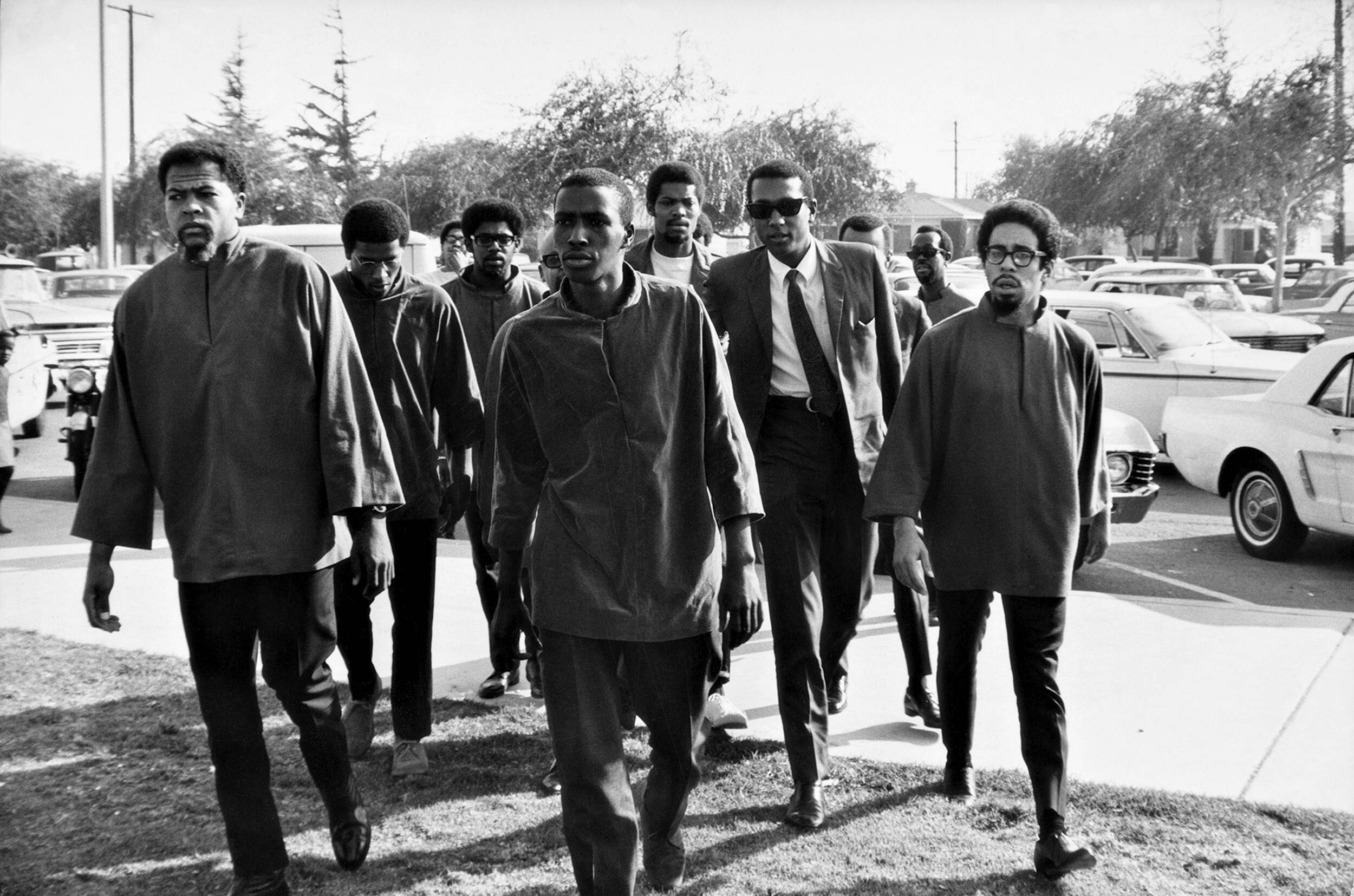
In fall 1966 the American photographer and writer Gordon Parks (1912–2006) was contracted by Life magazine to profile 25-year-old Stokely Carmichael, one of the most maligned and misunderstood men in America. On October 16, 2022 the exhibition Gordon Parks: Stokely Carmichael and Black Power opened at the Museum of Fine Arts, Houston (MFAH), presenting the five images from Parks’ 1967 Life article, along with nearly 50 additional photographs and contact sheets that have never before been published or exhibited and footage of Carmichael’s speeches and interviews.
In fall 1966 the American photographer and writer Gordon Parks (1912–2006) was contracted by Life magazine to profile 25-year-old Stokely Carmichael, one of the most maligned and misunderstood men in America. On October 16, 2022 the exhibition Gordon Parks: Stokely Carmichael and Black Power opened at the Museum of Fine Arts, Houston (MFAH), presenting the five images from Parks’ 1967 Life article, along with nearly 50 additional photographs and contact sheets that have never before been published or exhibited and footage of Carmichael’s speeches and interviews.
Kujichagulia
This robust vision for a Black, self-determined future combined Black unity for social and political advancement, the breaking of psychological barriers to self-love, and self-defense when necessary. Yet, media organizations dissected and defined Black Power for white audiences with various levels of prejudice and fear, and Carmichael was cast as a figure of racial violence—a distortion of his character and his message.
On the road with Carmichael and the SNCC that fall and into the spring of 1967, Parks took more than 700 photographs as Carmichael addressed Vietnam War protesters outside the U.N. building in New York, with Martin Luther King, Jr.; spoke with supporters in a Los Angeles living room; went door to door in Alabama registering Black citizens to vote; and officiated at his sister’s wedding in the Bronx. In his finely drawn sketch of a charismatic leader and his movement, Parks, then the first Black staff member at Life magazine, reveals his own advocacy of Black Power and its message of self-determination.
You might also like
Connected to this story- Next →Article: Arts & MusicHear the Conversation: Mestre Curtis Pierre on Casa Samba, Brazil, and New OrleansSame category · Arts & MusicRead →
- Article: Arts & MusicDMJStudio and Detroit Public Library Bring Large-Scale Art to the GalleriaSame category · Arts & MusicRead →
- Article: Arts & MusicThe Art of Legacy: Njideka Akunyili Crosby's Portrait of The ObamasSame category · Arts & MusicRead →
More from @tre-staff
- Article: Politics & PolicyWorshipful Sir Colonel Dr. Laurent Khaiat Brings International Civic Leadership to Global Peace Summit 20262026-10-30
- Article: Heritage & IdentityFrom Louisiana’s “Good Darky” Statue to the Million Man March: Who Defines Black Manhood?2026-10-18
- Article: Politics & PolicyGlobal Peace Summit 2026 Brings International Leaders to Manhattan During UNGA Week2026-10-03
Latest from Tré
- Article: Politics & PolicyWorshipful Sir Colonel Dr. Laurent Khaiat Brings International Civic Leadership to Global Peace Summit 20262026-10-30
- Article: Heritage & IdentityFrom Louisiana’s “Good Darky” Statue to the Million Man March: Who Defines Black Manhood?2026-10-18
Comments 0