
Till: The true story of Mamie Till-Mobley’s fight for justice.
Seventy years after Emmett Till’s murder, his mother’s love and filmmaker Keith Beauchamp’s work remind us: one person’s courage can ignite lasting change.
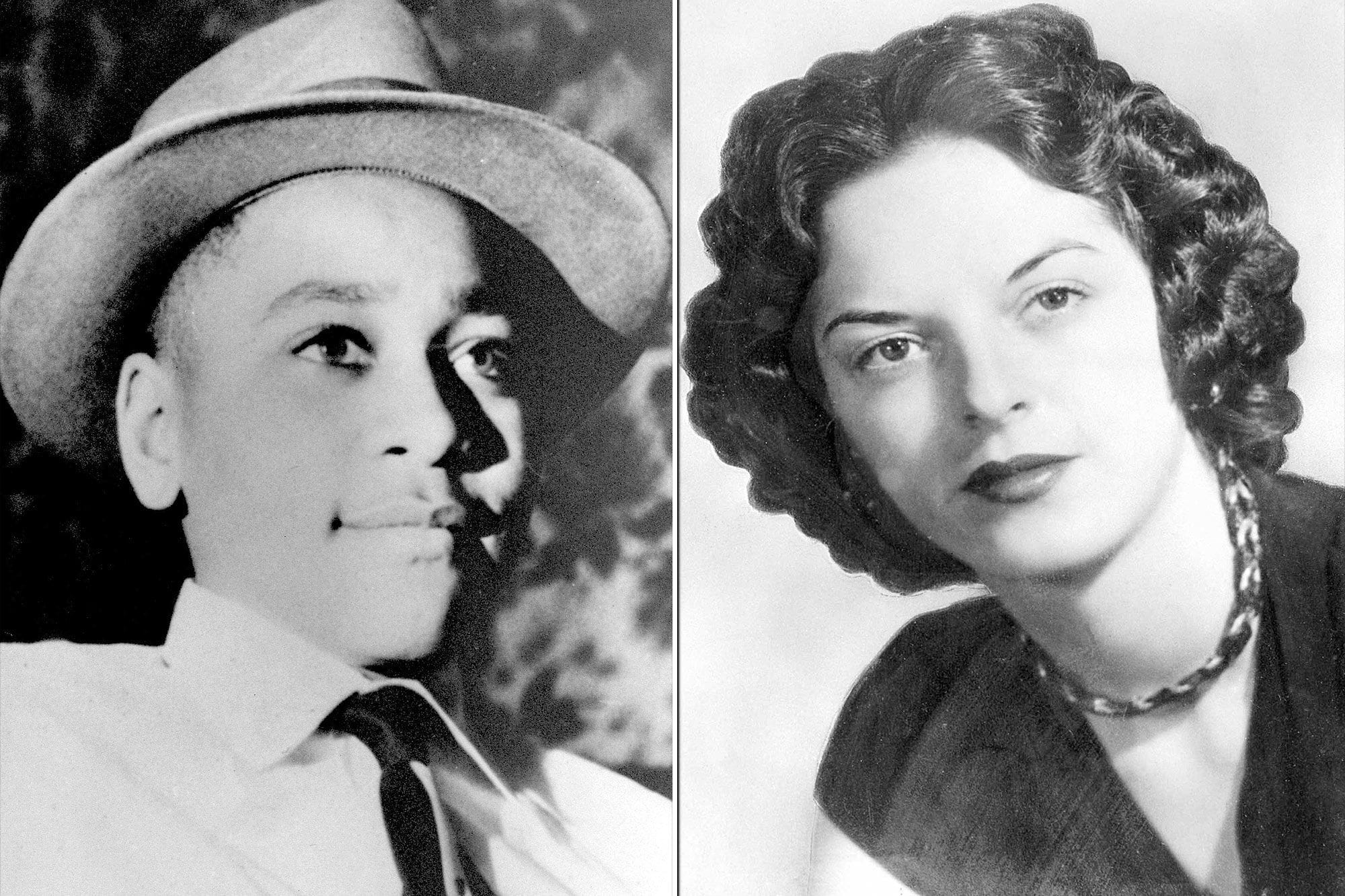
Seventy years after Emmett Till’s murder, his mother’s love and filmmaker Keith Beauchamp’s work remind us: one person’s courage can ignite lasting change.
Seventy years ago, America was forced to confront the ugliest truths of its justice system and social fabric with the brutal murder of Emmett Till—a 14-year-old young man from Chicago, visiting family in Mississippi. As a Black male, his only “crime” was violating the unwritten rules of Jim Crow segregation.
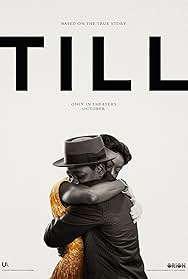
A Spirit of Defiance
The horror of his death in August 1955, and the subsequent acquittal of his killers by an all-white jury, revealed a judicial system broken by bias, exclusion, and indifference. Yet, from this tragedy, a movement was born—sparked by the audacious love and courage of Emmett’s mother, Mamie Till-Mobley.
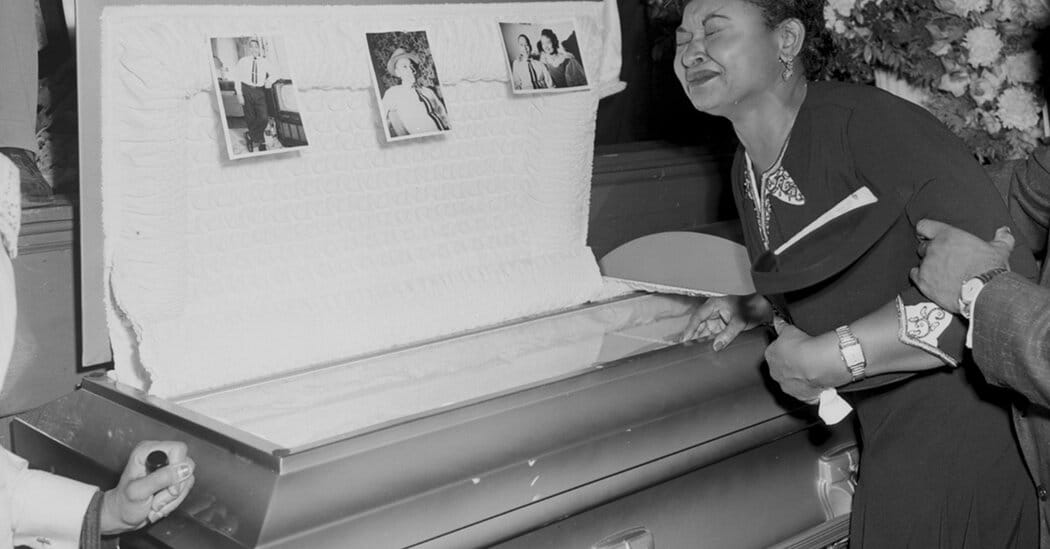
Mamie’s decision to hold an open-casket funeral, insisting that the world “see what they did to my boy,” was an act of radical transparency and defiance. The images of Emmett’s mutilated face, published in Jet magazine and broadcast across the nation, galvanized outrage and mobilized the burgeoning Civil Rights Movement. Mamie’s love transformed personal grief into public action, making her a symbol of resilience and a catalyst for change.
The Fight Continues
Today, Emmett Till’s legacy is not confined to history books or memorials—it is alive in the ongoing fight for justice, equity, and community empowerment. Filmmaker Keith Beauchamp, moved by Till’s story as a child and later as a survivor of racial violence himself, has dedicated his career to uncovering the truth. His acclaimed documentary, The Untold Story of Emmett Louis Till, and his work co-writing and producing the 2022 feature film Till, have brought new evidence to light and inspired renewed calls for justice. Beauchamp’s relentless research led to the reopening of the case by the U.S. Department of Justice in 2004, proving that one person’s commitment can indeed move the needle of history.
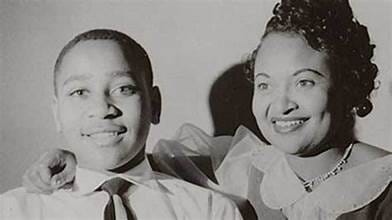
The Power of One
What does this legacy mean for today’s families and community leaders? First, it is a reminder that the power of one—be it a grieving mother, a determined filmmaker, or a visionary entrepreneur—can spark movements and drive systemic change. Mamie Till-Mobley’s radical transparency is echoed in today’s demands for accountability and reform, while Beauchamp’s investigative tenacity shows the impact of persistent advocacy.
Never Forget
Second, resilience is built through community action. The Emmett Till Interpretive Center in Sumner, Mississippi, and the Emmett Till statue in Greenwood are more than memorials—they are hubs for education, dialogue, and healing. Supporting such initiatives, investing in minority-owned businesses, and advocating for judicial reform are practical ways to honor Till’s legacy.
Be The Change
As we mark the 70th anniversary of Emmett Till’s death, let us not simply remember, but act. Visit the sites, watch the films, support the causes, and use your platform—whatever it may be—to champion justice and equity. Justice is not a relic of the past; it is a promise we must renew for every generation.
You might also like
Connected to this story- Next →Article: Heritage & IdentityFrom Louisiana’s “Good Darky” Statue to the Million Man March: Who Defines Black Manhood?Same category · Heritage & IdentityRead →
- Article: Heritage & IdentityLong live the spirit of the Million Man MarchSame category · Heritage & IdentityRead →
- Article: Heritage & IdentityWhat does a “good” Black man look like…and who gets to decide?Same category · Heritage & IdentityRead →
- Article: Heritage & Identity"CATCH THE LEGACY" CONVERSATION: FROM TEXAS TO TOKYO TOUR 2027Same category · Heritage & IdentityRead →
More from @tre-staff
- Article: Politics & PolicyWorshipful Sir Colonel Dr. Laurent Khaiat Brings International Civic Leadership to Global Peace Summit 20262026-10-30
- Article: Heritage & IdentityFrom Louisiana’s “Good Darky” Statue to the Million Man March: Who Defines Black Manhood?2026-10-18
- Article: Politics & PolicyGlobal Peace Summit 2026 Brings International Leaders to Manhattan During UNGA Week2026-10-03
Latest from Tré
- Article: Politics & PolicyWorshipful Sir Colonel Dr. Laurent Khaiat Brings International Civic Leadership to Global Peace Summit 20262026-10-30
- Article: Heritage & IdentityFrom Louisiana’s “Good Darky” Statue to the Million Man March: Who Defines Black Manhood?2026-10-18
Comments 0