
Tokyo’s Edo Period: Culinary Roots Shaping Modern Japanese Dining
The Edo period (1603–1868) transformed Tokyo into a culinary capital, where everyday flavors like sushi, tempura, soba, and eel became enduring icons of Japanese cuisine.
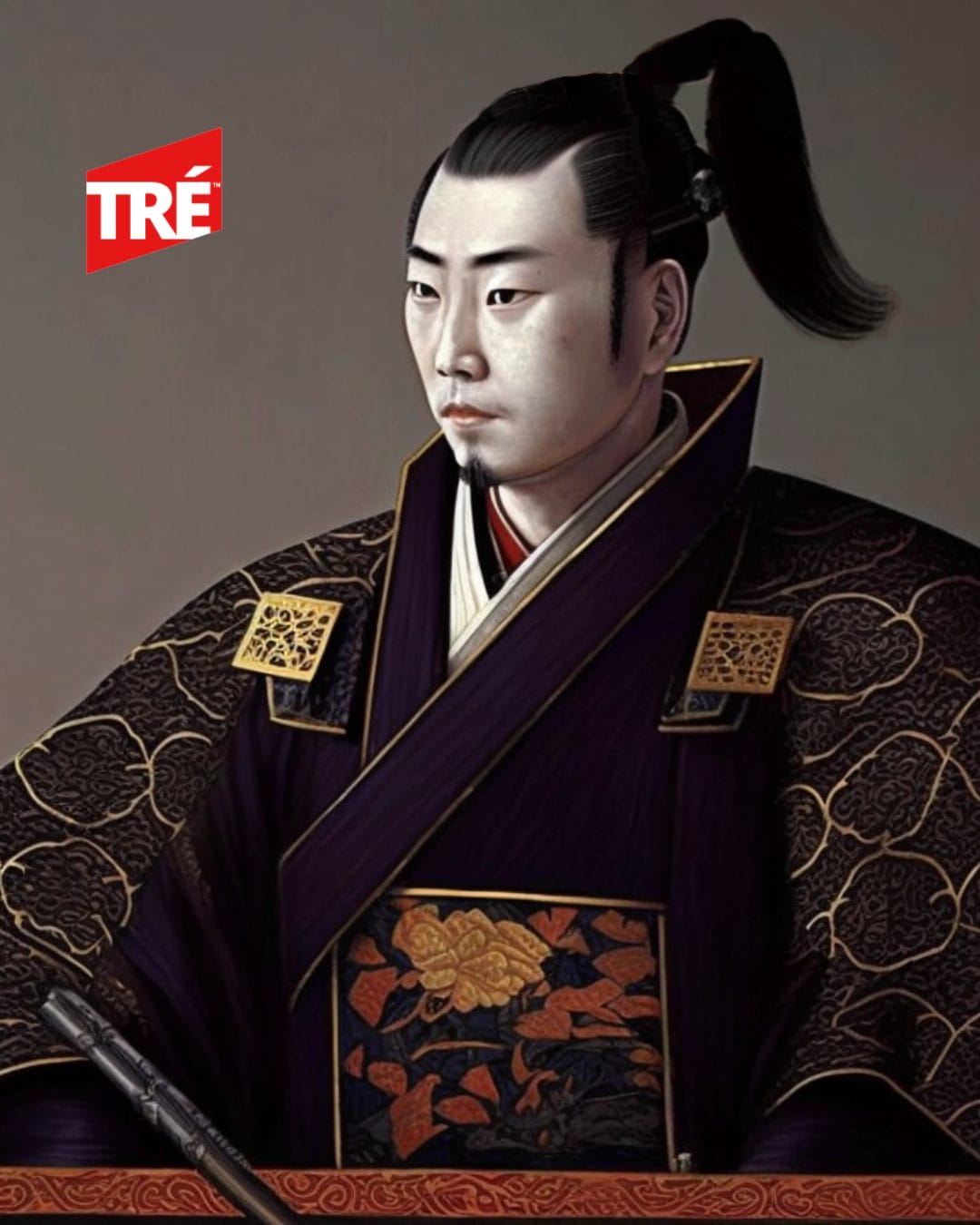
Tokyo’s vibrant dining scene owes much to the ingenuity and spirit of the Edo period. As Edo (now Tokyo) grew into Japan’s bustling political and cultural heart, its food culture flourished—giving rise to dishes that remain central to Japanese identity today.
Edomae-zushi, or Edo-style sushi, was born from the city’s need for fast, fresh meals. Sushi vendors ingeniously preserved fish from Tokyo Bay with vinegar, salt, or soy, creating hand-pressed nigiri that could be eaten on the go—an innovation that shaped the sushi we love worldwide.
Tempura, introduced by Portuguese traders, evolved in Edo into a light, crisp delicacy. Chefs perfected the batter, deep-frying seafood and vegetables in sesame oil for flavor and texture, often served with a savory dipping sauce. Soba noodles, made from buckwheat, became a staple for Edo’s working class, with standing soba stalls offering quick, nourishing meals.
Eel, or unagi, was popularized in kabayaki style—filleted, steamed, grilled, and glazed with a sweet soy sauce. This preparation, unique to Edo, remains a beloved Tokyo specialty.
These dishes not only satisfied Edo’s energetic population but also reflected a new appreciation for food as enjoyment and artistry. Today, Tokyo’s Michelin-starred restaurants and humble noodle shops alike celebrate this legacy, inviting global citizens to taste centuries of innovation and tradition in every bite.
Hashtags:
#EdoCuisine
#TokyoFoodCulture
#JapaneseDining
Backlinks for Further Exploration:
You might also like
Connected to this story- Next →Article: Food & DrinkMissed Free Drink Week? You Can Still Try McDonald’s New Beverages in HoustonSame category · Food & DrinkRead →
- Article: Food & DrinkLast Chance in Houston: Free Orange Dream at McDonald’s This Saturday from 4–7 PMSame category · Food & DrinkRead →
- Article: Food & DrinkPlayful Sips, Global Stage: McDonald’s Houston Activates Creative Drink Campaign Ahead of World CupSame category · Food & DrinkRead →
- Article: Food & DrinkFree Drink Friday in Houston: Try McDonald’s “Dirty Dr Pepper” Today from 4–7 PMSame category · Food & DrinkRead →
More from @tre-staff
- Article: Politics & PolicyWorshipful Sir Colonel Dr. Laurent Khaiat Brings International Civic Leadership to Global Peace Summit 20262026-10-30
- Article: Heritage & IdentityFrom Louisiana’s “Good Darky” Statue to the Million Man March: Who Defines Black Manhood?2026-10-18
- Article: Politics & PolicyGlobal Peace Summit 2026 Brings International Leaders to Manhattan During UNGA Week2026-10-03
Latest from Tré
- Article: Politics & PolicyWorshipful Sir Colonel Dr. Laurent Khaiat Brings International Civic Leadership to Global Peace Summit 20262026-10-30
- Article: Heritage & IdentityFrom Louisiana’s “Good Darky” Statue to the Million Man March: Who Defines Black Manhood?2026-10-18
Comments 0